Have you ever stepped outside after a long Rocky Mountain storm and wondered how some metal roofs barely flinch under all that weight while others creak and strain under pressure?
Snow in the Rockies isn’t gentle. It piles fast, settles deep, and clings to a roof long after the sun comes out. For clients who live or build in high elevation zones, we often hear questions like, how does mechanical seam roofing stay stable under so much snow and why do some roofing systems fail faster in this environment.
Mechanical seam metal roofing has a reputation for durability, but the real value becomes clear when winter pushes every structure to its limits. In this blog we share what makes mechanical seam such a reliable option for heavy snow regions and what we’ve learned while working with clients at Western Slope Metals.
Why Snow Load In The Rockies Puts Roofs To The Test
If you’ve experienced a typical winter in the Rockies, you know that snow doesn’t melt as quickly as it arrives. Some roofs carry that weight for weeks and even months. We often ask clients to consider one simple question, “what happens to a roofing system when thousands of pounds of compacted snow settle unevenly across its surface?”
Traditional roofing can bend or sag when the snow pack becomes dense. Ice melt can seep into seams. Fasteners can loosen. Shingles can break. A mechanical seam metal roofing system handles that load very differently because the panels interlock in a way that spreads pressure across the roof instead of allowing it to concentrate in weak points.
The Rockies demand more than a roof that looks good. They demand a roof that understands the climate and reacts to it without losing strength.
Mechanical Seam And Its Ability To Stay Locked Under Stress
One reason mechanical seam works so well in harsh climates is the way each panel is physically folded together. Instead of relying on exposed fasteners or simple clips, mechanical seam uses a locked and folded connection that becomes tighter when pressure increases. We often compare it to a zipper that becomes more secure the more it’s pulled.
The Strength Comes From The Fold
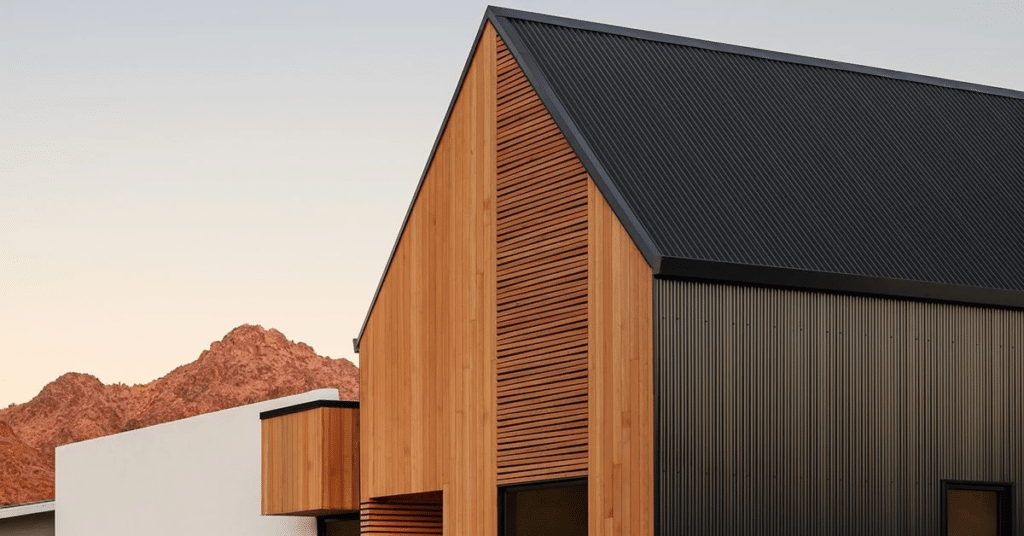
Mechanical seams are created by folding the edges of two panels together and then mechanically locking them into place. The fold itself becomes a structural element. When snow load increases, the locked seam doesn’t flex in the same way a surface-attached system might. Instead it acts as a unified sheet that distributes stress.
The Way Mechanical Seam Handles Expansion And Contraction
Temperature shifts in the Rockies can be dramatic. A roof that is frozen at sunrise can be warm enough to shift by midday. We see this all the time as the snowpack melts on top but remains solid underneath. These rapid changes cause roofing materials to expand and contract.
Mechanical seam roofing is designed to allow controlled movement while keeping the panels connected. The locks stay engaged while the panels glide just enough to relieve thermal tension. This prevents stress fractures, leaks, and metal fatigue which are common problems in climates with constant freeze and thaw cycles.
Movement doesn’t weaken the roof. It actually preserves its long-term structure.
Why Panel Height And Shape Matter In Snow Country
Mechanical seam panels are usually taller than snap-lock or other styles of metal roofing. That extra height creates space above the flat part of the panel, giving snow and ice more room to shift without pushing against the seams.
A taller seam gives the snowmelt room to sit without forcing open the lock. Clients who deal with heavy drifts or long winters often benefit from this extra protection.
Panel Shape Supports Snow Shedding
While mechanical seam is known for its strength, customers are often surprised by how well it sheds snow. The smooth vertical lines help snow slide off naturally as it begins to loosen. This gradual shedding reduces the long-term load without creating sudden avalanches off the roof.
The shape reduces buildup, improves safety, and keeps stress levels low through the worst months.
The Role Of Underlayment And Substructure In Supporting The Mechanical System
The seam itself does a lot of work, but a mechanical seam roof performs best when the structure underneath is built to handle the region’s demands. We always remind clients that the substructure is just as important as the roofing panels.
What A Good Support System Should Include
This is the only section with bullets to maintain your guideline about limiting checklists:
- A solid and stable deck that will not flex under pressure
- An underlayment that handles moisture, ice melt, and temperature swings
- A fastening system that reduces pullout risk under snow load
These components work together with the mechanical seam system to create a sturdy roofing solution. Without them the roof cannot reach its full performance capability.
How Mechanical Seam Keeps Moisture Out Even When Snow Sits For Months
Snow that sits for long periods eventually melts into water that tries to seep into every crevice. One of the biggest advantages clients appreciate is that mechanical seams do not rely on surface adhesives or exposed fasteners. The locks stay closed even when water is pushing against them.
We often ask clients to imagine this scenario, “what happens when meltwater tries to creep upward under wind pressure?”
A mechanical seam prevents this because the folded connection creates a physical barrier. Water would need to move upward, against gravity, and also navigate the locked fold. That combination keeps interiors dry even when meltwater is persistent.
Moisture control is essential in mountainous regions where freeze and thaw cycles can magnify even the smallest gaps.
Conclusion
Mechanical seam roofing stands out in the Rockies because it combines physical strength, controlled flexibility, and moisture resistance in a way few systems can match. Snow loads in mountainous areas apply stress from every direction and for long periods, yet mechanical seam panels remain secure, stable, and durable.
Clients who live or work in snow-heavy regions often choose mechanical seam because it supports long term performance. The folded lock, vertical panel design, and ability to move naturally as temperatures shift create a system that doesn’t just survive Rocky Mountain winters but handles them with confidence.
If you’re working on a project in the Rockies or comparing roofing options for a mountain property, understanding how mechanical seam works can help you choose a system that stays reliable year after year.
FAQs
What makes mechanical seam better for heavy snow than snap lock roofing?
Mechanical seam uses a locked fold that stays secure under compression which helps prevent seam separation during heavy snow load.
Does mechanical seam help reduce ice dam problems?
It supports better snow shedding and keeps seams sealed which reduces the conditions that allow ice dams to form.
Can mechanical seam roofing handle steep and low slope roofs?
Yes it performs well on both because the locking system keeps the panels secure even when snow settles unevenly.
Is mechanical seam noisy during wind or snowfall?
The panels are locked tightly and supported by the substructure so noise is usually minimal.
How long does mechanical seam roofing typically last in snowy climates?
With proper installation and maintenance it often lasts for decades because the seam design protects against moisture and structural stress.
Stronger Roofs for Rocky Mountain Snow, Built by Western Slope Metals
→ Engineered metal roof systems designed to outperform heavy snow loads
→ Local experts who craft mechanical-seam panels for superior strength and durability
→ Premium materials that protect homes in harsh Rocky Mountain winters year after year
Discover the right metal roofing system for your mountain home →
★★★★★ Rated 5/5 by 5+ Homeowners Across the Region
Related articles
Understanding the Long-Term Benefits of Metal Roofing
Best Metal Roofing and Board-and-Batten Siding Options