What is your roof trying to tell you before a small problem turns into a much bigger one?
Roof issues often begin subtly with faint attic stains, unnoticed rust, or slightly lifted flashing rather than major leaks. Delaying repairs until damage is obvious typically increases costs, which is why proactive inspections are vital to catching manageable problems. GAF identifies interior staining, attic moisture, and visible wear as key early warning signs requiring professional evaluation.
Table Of Contents
- Why Roof Problems Rarely Stay Small For Long
- Top Ten Signs Your Roof Needs A Pro Inspection Soon
- Why These Signs Matter Even More On Metal Roof Systems
- Conclusion
- FAQs
At Western Slope Metals, we see how much weather can shape roof performance over time. Their site highlights Western Colorado conditions that include harsh winters, sun exposure, and strong seasonal weather, and it also stresses that roofing choices and installation details need to match those local demands. That matters because a roof does not have to be failing to deserve attention. Sometimes it simply starts showing enough warning signs that you should stop waiting and schedule an inspection.
Why Roof Problems Rarely Stay Small For Long
A roof system protects more than the surface you see from the driveway. It also protects the decking below, the attic, insulation, flashing points, vents, and the rooms underneath. Once water gets past the outer layer, the damage can spread into wood, insulation, drywall, and air quality concerns. FEMA guidance for checking roof flashing notes that staining or discoloration in the attic or on ceilings can be a sign of water intrusion, which is exactly why early warning signs deserve attention before they become structural or interior problems.
Weather adds another layer. Wind can loosen materials, hail can damage exposed components, and repeated freeze-thaw cycles can stress vulnerable areas around fasteners, seams, and flashing. GAF also notes that storm damage is not limited to shingles alone. Gutters, downspouts, flashing, and attic areas can all show evidence of a roof problem after severe weather.
Top Ten Signs Your Roof Needs A Pro Inspection Soon
1. Water Stains Are Showing Up Indoors
Brown, yellow, or dark stains on ceilings and walls are among the clearest warning signs that moisture is getting where it should not be. GAF’s roof leak guidance identifies interior staining as a common sign of a roof leak, especially when it appears near the attic or upper portions of the home. You should not assume a stain is old or harmless just because it feels dry today. Water often travels before it becomes visible, which means the stain may not line up exactly with the entry point above.
2. Your Attic Smells Damp Or Looks Wet After Weather
Could your attic be telling the truth before the rest of the house does?
In many cases, yes. Moisture, staining, drips, or damp insulation in the attic can point to roofing trouble before damage becomes visible in living areas. FEMA says attic and ceiling staining can signal water intrusion, and GAF also advises checking attics for wet areas or staining after storms. If you notice a musty smell, darkened wood, or wet insulation, you should treat that as a reason to have the roof inspected soon.
3. Shingles, Panels, Or Surface Materials Look Damaged
Roof materials are your first line of defense, so visible wear matters. On shingle roofs, that may mean curling, cracking, or missing pieces. On metal roofing, the warning signs may look different and can include loose panels, visible movement, damaged seams, corrosion, or trouble around exposed fasteners. GAF’s homeowner guidance lists visible roof damage as a reason to inspect, and InterNACHI notes that corrosion and loose fasteners on metal roofs can lead to water entry and reduced performance over time.
4. Fasteners Or Flashing No Longer Look Tight
Flashing protects some of the most leak-prone areas on a roof, including chimneys, vents, skylights, and roof-to-wall transitions. GAF explains that flashing can loosen or deteriorate over time and that damaged flashing can lead to leaks. On some metal roofs, exposed fasteners also deserve extra attention. Western Slope Metals notes that corrugated systems with exposed fasteners require regular inspections, screw tightening or replacement, and closer leak monitoring around those points.
5. Rust, Corrosion, Or Surface Breakdown Is Starting To Show
Rust is not only a cosmetic issue. It can be an early warning that protective coatings are breaking down or that moisture is lingering where it should not. InterNACHI’s metal roof inspection guidance describes several forms of corrosion that can affect metal roofing, and notes that roof fasteners and metal components can deteriorate over time. If you are seeing rust around screws, panel edges, flashing, or roof penetrations, that is a good reason to bring in an inspection before the damage spreads.
6. Your Roofline Looks Uneven Or Slightly Sagged
A sagging or uneven roofline should never be treated as a wait-and-see issue. FEMA’s wind vulnerability guidance references sagging roof framing as a structural concern, and homeowner roof-warning resources consistently treat sagging as a sign that moisture damage, structural stress, or long-term deterioration may already be present. If the roof looks dipped, wavy, or less straight than it used to, the problem may go beyond the outer roofing material.
7. Granules, Fragments, Or Roofing Debris Keep Appearing
On asphalt roofs, granules in gutters or on the ground can signal material wear. GAF specifically points to granule loss as a sign of storm damage or roof aging. On other roof types, the debris may look different, such as loosened sealant, fragments, washers, or small pieces near fasteners and edges. The point is not the exact debris type. The point is that parts of the roof system should not be regularly shedding material. If they are, an inspection makes sense.
8. Your Gutters, Downspouts, Or Roof Edges Took A Hit
Homeowners often focus only on the field of the roof and miss the edges and drainage system. That is a mistake. GAF notes that storms can dent, loosen, or damage flashing, gutters, and downspouts, and FEMA has also documented how failure of edge flashing and gutter components can contribute to broader roof problems. If your gutters are bent, pulling away, clogged after storms, or showing impact damage, you may be looking at a roof issue as well as a drainage issue.
9. Energy Loss And Moisture Problems Are Getting Harder To Ignore
Why does the upstairs feel hotter, colder, or more humid than it used to?
Sometimes the answer is ventilation or insulation, but roof problems can play a role too. The Department of Energy says improper attic ventilation can allow moisture to build up, damage wood, and ruin insulation. If your attic feels damp, your insulation seems compromised, or comfort problems have gotten worse, the roof and attic system may need closer evaluation together. This is especially important if the change showed up gradually and you cannot point to one obvious event.
10. A Recent Storm Passed Through And You Are Guessing Everything Is Fine
One of the most common inspection mistakes is waiting for visible indoor damage after hail, heavy wind, or major snow. GAF’s storm-damage guidance says storms can create roof leaks, granule loss, damaged flashing, attic damage, and problems with gutters or downspouts, even when the damage is not obvious from the ground right away. If your home has recently gone through rough weather, that alone can be enough reason to schedule an inspection soon rather than waiting for the next season to expose the damage further.
Why These Signs Matter Even More On Metal Roof Systems
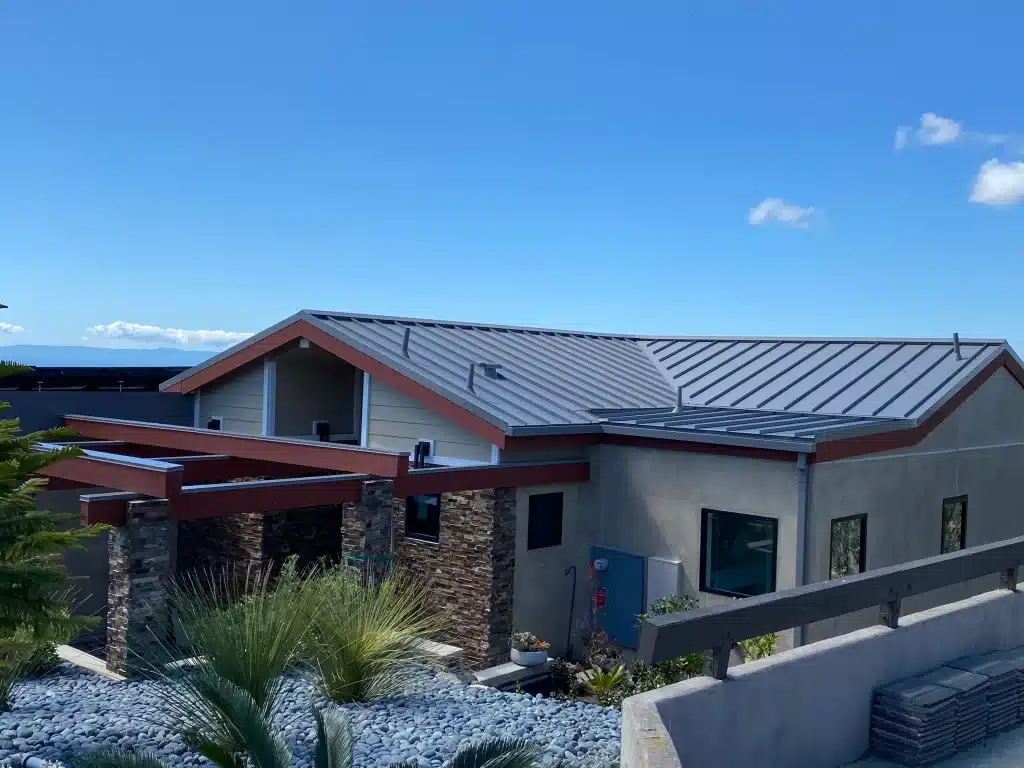
Roof aging varies by system. Western Slope Metals notes that standing seam roofs feature concealed fasteners and require minimal maintenance. Conversely, corrugated systems have exposed fasteners needing frequent inspections and screw or washer checks. Understanding these differences helps homeowners identify subtle, maintenance-driven warning signs early.
That is also why it helps to work with experts who understand the details of the roof system on your home. A small fastener issue on one roof type may not mean much, while the same sign on another system could point to a larger maintenance pattern. The roof does not need to be visibly failing for an inspection to be worthwhile. It only needs to be showing you enough clues that guessing no longer makes sense.
Conclusion
Roof problems often give you warnings before they give you a mess. Water stains, attic moisture, damaged materials, rust, flashing trouble, sagging sections, debris, storm impact, and energy-related changes can all point to a roof that deserves a pro inspection soon. The earlier you catch those signs, the better your chances of fixing the issue before it spreads into insulation, framing, drywall, or indoor comfort problems.
We believe homeowners are better off paying attention early than explaining away the same sign for another season. If your roof has started sending repeated signals, listen to them. A timely inspection is often the difference between a manageable repair and a much larger disruption.
FAQs
What are the first indoor signs of roof trouble?
The first indoor signs often include ceiling stains, attic moisture, damp smells, peeling paint, or wet insulation. These signs may appear before a leak becomes obvious in the main living space.
Should I get my roof inspected even if I do not see a leak?
Yes. Many roof problems start before water becomes visible indoors. Storm damage, flashing issues, loose fasteners, and early material wear can all be present without an active interior leak.
Are metal roofs still worth inspecting regularly?
Yes. Metal roofs can last a long time, but they still need periodic inspections. Fasteners, seams, flashing, rust, and roof penetrations can all develop issues over time depending on the system and exposure.
How soon should I schedule an inspection after a storm?
You should schedule one soon after significant hail, strong wind, or other severe weather, especially if you notice dents, debris, gutter damage, attic changes, or any new interior staining.
Can a roof inspection help me avoid a bigger repair bill?
It often can. Inspections help catch smaller issues before moisture, wind, or material failure spreads the damage into more costly parts of the roof or home.
Roof Inspections That Help Catch Problems Before They Get More Expensive
→ Get a closer look at signs of wear, damage, or hidden trouble
→ Work with a team that understands long-term roof performance
→ Take the next step before small issues turn into major repairs
Connect with Western Slope Metals to schedule a professional roof inspection →
★★★★★ Rated 5/5 by 5+ Homeowners Across the Region
Related articles
Understanding the Long-Term Benefits of Metal Roofing
Best Metal Roofing and Board-and-Batten Siding Options