Last spring, a homeowner in Montrose called us after getting three very different quotes for a new roof. One contractor quoted significantly less than the others. Another gave a number without completing an on-site inspection. She was frustrated and confused, which is exactly why we put together this guide. When you understand what goes into metal roofing costs, you can compare estimates, ask better questions, and plan your project with greater confidence.
Metal roofing has become increasingly popular across Western Colorado. It offers durability, long service life, and performance suited to the region’s changing weather conditions. However, the upfront investment can vary significantly depending on the materials, roof design, existing roof condition, and installation requirements. Here’s what homeowners should know before requesting a quote from Western Slope Metals.
Average Metal Roofing Costs by Material Type
The material you choose has a major impact on your total project cost. Metal roofing comes in several styles, each with different characteristics and price considerations.
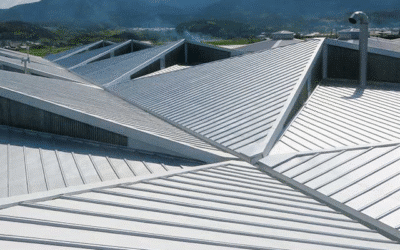
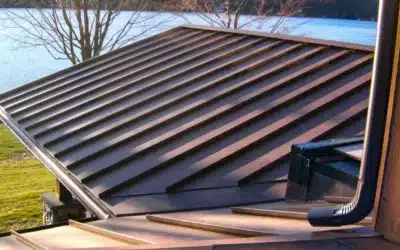
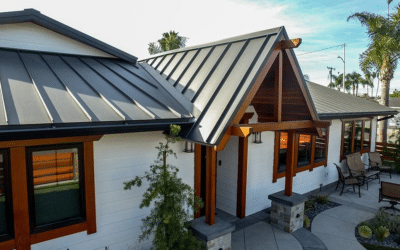
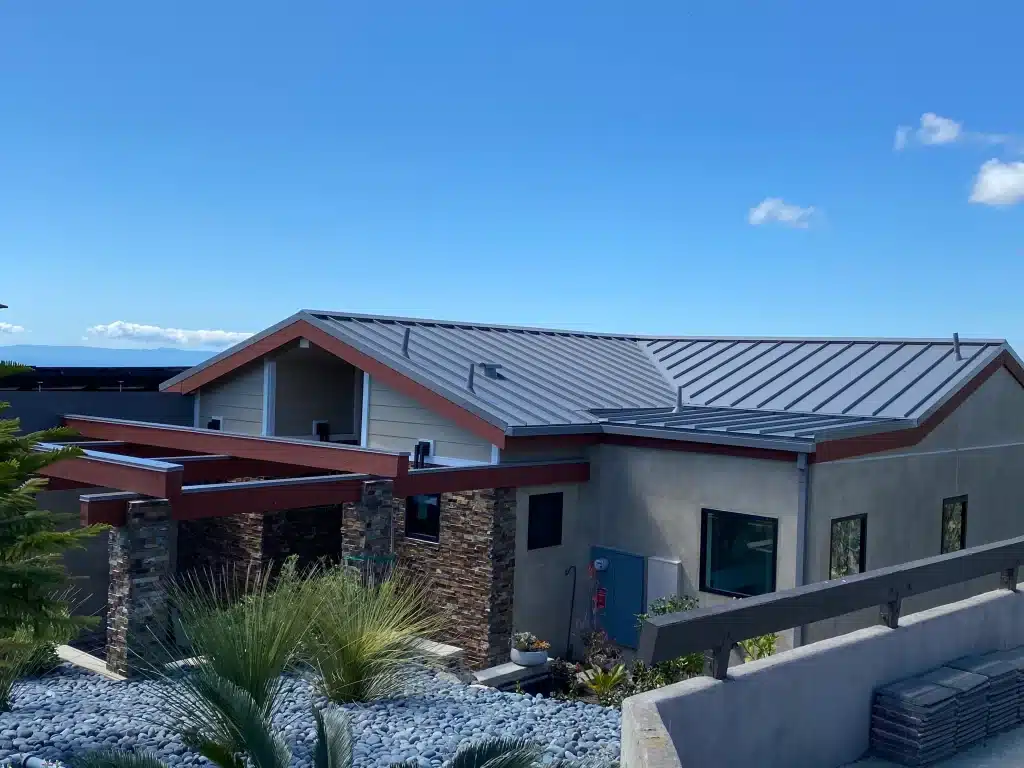
Standing seam metal roofing is a premium option many homeowners choose for its clean appearance and concealed fasteners. The raised seams create a modern look while keeping fasteners protected from direct weather exposure. Because the installation can be more detailed than exposed-fastener systems, standing seam roofing typically requires a larger investment.
Corrugated and ribbed metal panels offer durability with a more straightforward installation approach. These exposed-fastener systems have been used on agricultural buildings and homes throughout the Western Slope for generations. Modern coatings and color choices have also made these panels an appealing option for residential projects.
Steel panels with protective coatings are another common choice for residential roofing. Galvanized and Galvalume steel provide corrosion resistance and durability, while different profiles and finishes allow homeowners to choose an appearance that suits their property. Stone-coated steel can also provide the look of traditional roofing materials while retaining the benefits of a metal system.
Aluminum roofing generally costs more than steel but provides strong corrosion resistance. It can be worth considering for properties where corrosion resistance is a particular concern.
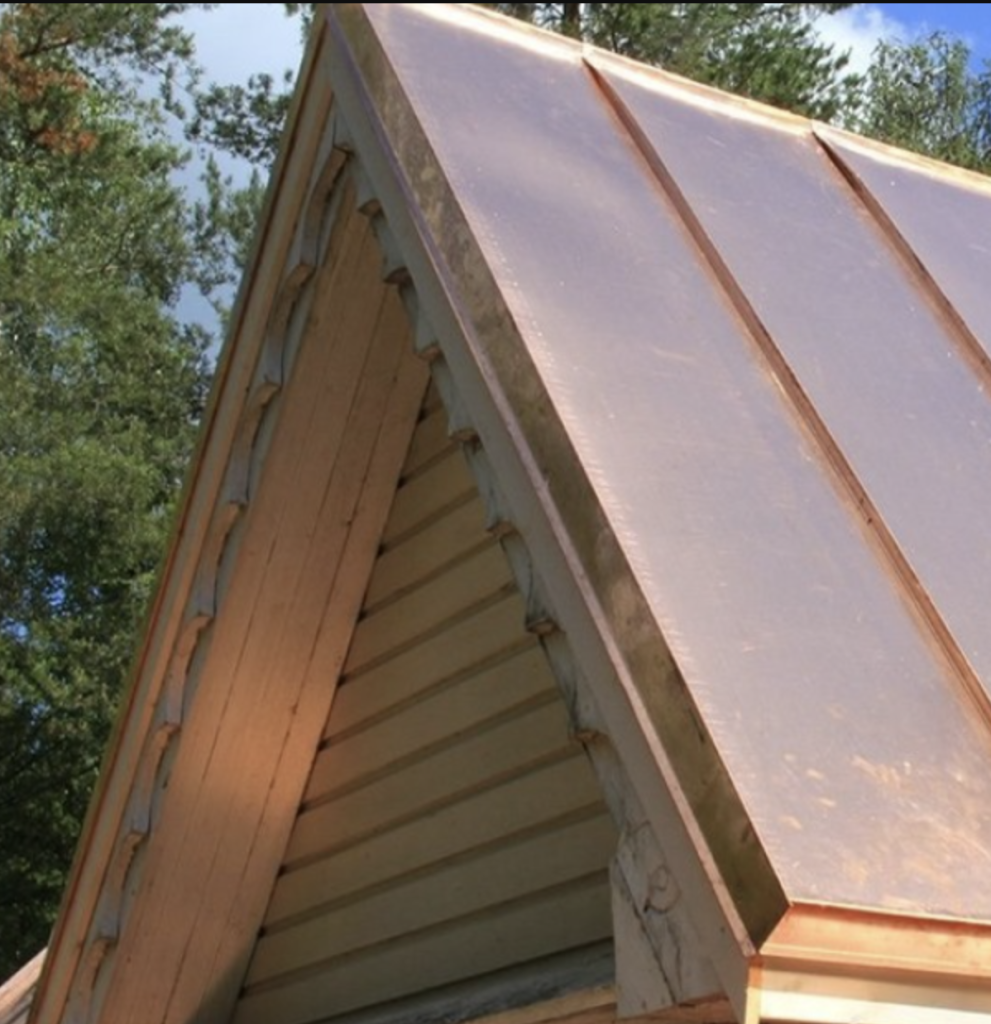
Copper and zinc are at the higher end of the metal roofing market. These materials naturally develop a distinctive patina over time and can have exceptionally long service lives. They may be considered for specialty projects, historic properties, or homeowners looking for a distinctive finish.
Factors That Affect Your Final Price
Two homes of identical size can have very different roofing costs. Understanding the factors below can help you interpret quotes and plan your budget.
Roof complexity matters significantly. A simple gable roof with two planes is generally more straightforward to install. Add dormers, valleys, hips, multiple roof pitches, and other architectural details, and the installation becomes more involved. Each intersection requires careful flashing and detailing, while complex roofs can also create more material waste.
Roof pitch affects installation requirements as well. Steeper roofs can require additional safety equipment and more time to complete. The roof design may also influence the underlayment, flashing, and fastening approach used for the project.
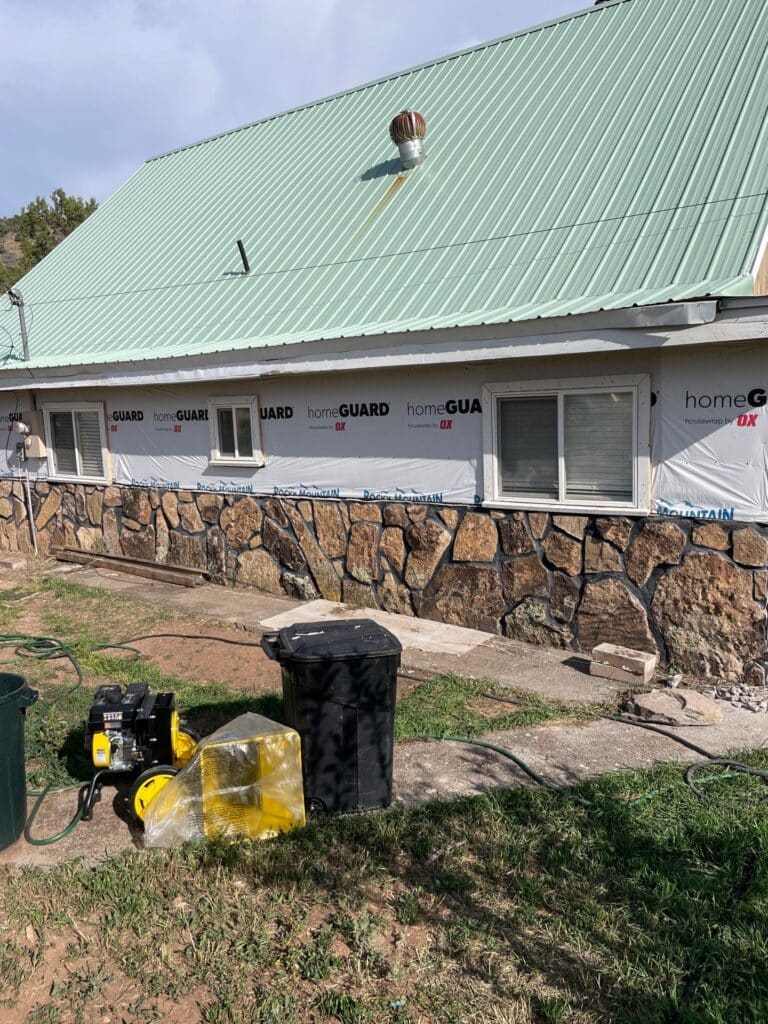
The condition of your existing roof structure can also influence the final cost. If decking has rot, soft spots, or other damage, repairs may be necessary before the new roof is installed. A thorough contractor assessment should look beyond the roof’s square footage and consider the condition of the existing structure.
Removing existing roofing materials adds to the project cost. In some situations, metal roofing may be installed over existing asphalt shingles when local requirements and the condition of the structure allow it. In other cases, a complete tear-off may be appropriate so the decking can be inspected and prepared for the new roof.
Accessories and details also contribute to the total. Ridge caps, valley flashing, drip edges, pipe boots, ventilation components, and appropriate underlayment are all important parts of a properly installed roofing system.
Geographic location can affect installation requirements as well. Western Colorado experiences significant temperature changes, snow, wind, and strong sun exposure. A metal roofing system should be selected and installed with the property’s specific conditions in mind.
Labor and Installation Costs Explained
Materials are only part of the total project investment. Proper installation plays an important role in how well a metal roof performs over time.
Metal roofing requires installation techniques that differ from traditional asphalt shingle roofing. Fastener placement, panel alignment, flashing, and allowances for thermal movement all need to be handled correctly. Installation problems can lead to leaks, premature wear, or other issues that may be costly to correct.
Panel fabrication can also affect the project. Some contractors use pre-cut panels, while others use on-site roll-forming or cutting equipment to produce panels to the required lengths. On-site fabrication can reduce the number of seams and allow panels to be fitted more precisely to the project.
Project complexity and timeline also influence labor requirements. A straightforward roof may be completed relatively quickly, while a larger or more complicated home with multiple roof sections, valleys, and penetrations can take considerably longer. Weather conditions can also affect scheduling in Colorado’s mountain climate.
Permits and inspections may be required depending on your location and project. Your contractor should be able to explain which requirements apply to your project and help you understand the permitting process.
The Long-Term Value of Metal Roofing
Focusing only on the initial cost does not tell the entire story. Metal roofing can provide long-term value through durability, reduced maintenance, and a long service life.
Lifespan is one of the primary advantages. Quality metal roofing installed correctly can last for decades, with the exact service life depending on the material, finish, installation, and environmental conditions. This can mean fewer roof replacements over the life of the home compared with shorter-lived roofing materials.
Maintenance requirements are generally straightforward. Routine inspections and keeping the roof clear of accumulated debris can help identify potential issues before they become larger problems.
Energy efficiency can also be a consideration. Depending on the material, color, coating, and overall roofing assembly, metal roofing can help reflect solar heat and reduce heat absorption during warmer months. Some metal roofing products are also available with energy-efficient finishes.
Metal roofing can also provide advantages related to fire, wind, and weather resistance, depending on the specific product and installation system. Homeowners should discuss available options with their contractor and check with their insurance provider if they are interested in potential insurance considerations.
For homeowners planning to sell in the future, a durable metal roof can also be an appealing feature because buyers may value its long service life and lower maintenance requirements.
How to Get an Accurate Quote
Armed with this knowledge, you can approach the quoting process with greater confidence. Here are some ways to make sure you’re comparing estimates accurately.
Insist on an on-site inspection. A reliable estimate should account for the actual roof dimensions, complexity, existing materials, structural condition, and project requirements. Satellite measurements alone may not reveal issues that can affect the final cost.
Request itemized quotes that separate materials, labor, removal of existing roofing, and potential structural repairs. This makes it easier to compare estimates and understand exactly what is included in each proposal.
Ask about warranties. Manufacturer warranties generally address the roofing materials, while workmanship warranties may address installation-related issues. Ask what each warranty covers, how long it lasts, and what conditions or exclusions apply.
Verify licensing and insurance requirements applicable to your area. Ask your contractor for current documentation and make sure you understand what protections are included.
Check references and past work. Looking at completed projects can give you a better idea of the contractor’s experience with the type of roofing system you are considering.
Discuss the project timeline and payment terms before signing a contract. Make sure you understand when the work is expected to begin, how long the project may take, and when payments are due.
If you’re considering metal roofing for your home or building, understanding the materials, installation requirements, and factors that affect cost can help you make a more informed decision.
At Western Slope Metals, we believe in transparent communication and quality workmanship. We take the time to understand each project, explain the available options, and provide solutions suited to the property and its specific needs.
If you’re ready to discuss your roofing project, reach out to Western Slope Metals to learn more about your options and request an estimate.
About Western Slope Metals
Western Slope Metals Team
The Western Slope Metals Team provides metal roofing, siding, gutters, and custom metal fabrication solutions throughout Western Colorado. Based in Delta, Colorado, the team brings local experience and a focus on quality materials, custom fabrication, and solutions designed for the region’s climate and building needs.