Fall on the Western Slope brings cooler temperatures, changing leaves, and an opportunity to assess your roof before winter weather arrives. If your metal roof has been showing its age, fall can be a good time to plan a replacement before snow and ice put additional stress on compromised panels. Knowing when to replace metal roofing can help you avoid interior damage, energy loss, and urgent repairs down the road.
Metal roofs are built to last for decades, but they do not last forever. The high-desert climate of Western Colorado, with its intense UV exposure, dramatic temperature swings, and occasional hail, can take a toll even on durable materials. This guide walks you through the warning signs that indicate replacement may be necessary, the best times of year to schedule the work, and what to expect from the process.
In This Post
- Visible Damage That Signals Replacement
- Age and Performance Decline
- Exposed-Fastener Roofs: Re-Screw or Upgrade?
- Why Seasonal Timing Matters
- What to Expect During Replacement
- Making the Decision: Repair or Replace
Visible Damage That Signals Replacement
The most obvious signs that your metal roofing system needs attention are often visible from the ground or during a professional inspection. Rust is a primary concern, especially on older steel panels that have lost their protective coating. Small rust spots may be treatable, but widespread corrosion that has eaten through the metal can indicate that the panels have reached the end of their useful life.
Dents and punctures from hail or fallen branches can compromise your roof’s integrity. A few minor dents might be cosmetic, but severe impacts that damage the finish or create holes can allow moisture to reach the underlayment and roof deck below. If water gets underneath metal panels, it can contribute to wood rot and mold growth, sometimes without obvious exterior signs. After a hailstorm, have the roof inspected promptly. Western Slope Metals can document hail damage with photos and measurements to support your homeowner’s insurance claim.
Look for panels that have lifted, warped, or separated at the seams. Metal expands and contracts with temperature changes, and over time, fasteners can loosen, or seams can fail. If you notice gaps between panels, corroded exposed fasteners, or sections that move in the wind, have a roofing professional assess the system to determine whether repairs or replacement are needed.
Faded or chalky coatings are another warning sign. The paint or finish on metal roofing helps protect against UV exposure and corrosion. When that coating deteriorates, the underlying metal may become more vulnerable. If your roof has lost its color uniformly or its finish appears chalky, an inspection can help determine whether the coating needs attention or the panels require replacement.
Age and Performance Decline
Metal roofs can last for several decades, with their lifespan depending on the material, installation quality, maintenance, and environmental conditions. Some systems may last 40 to 70 years or longer, but not every metal roof will reach the same lifespan. If your roof is approaching the expected lifespan of its particular system, it makes sense to start planning for an inspection and possible replacement, even if obvious damage is not yet visible.
Performance changes can also signal a roofing problem. Metal roofing can help manage heat gain when the panels, reflective finish, ventilation, and insulation work together effectively. If your heating or cooling costs have climbed steadily over the past few years without another clear explanation, your roof assembly may be worth evaluating. Gaps in seams, deteriorated underlayment, inadequate ventilation, or compromised insulation beneath the panels can contribute to energy loss.
Interior signs matter, too. Water stains on ceilings, musty odors in the attic, or visible daylight through the roof deck are serious warning signs. By the time water damage appears inside your home, the problem may have been developing for some time. These issues call for prompt professional assessment to help prevent further structural damage and mold growth.
Consider your roof’s repair history as well. If you have needed multiple repairs over the past few years, each addressing a different area or issue, the cumulative cost may be approaching the cost of a full replacement. At some point, continued patching may become less economical than installing a new roof system designed to provide reliable protection for decades.
Exposed-Fastener Roofs: Re-Screw or Upgrade?
Many older metal roofs on the Western Slope are exposed-fastener systems, where screws with rubber washers go straight through the panels. Our intense sun and freeze-thaw cycles wear those washers out long before the panels themselves fail, which can lead to leaks around the screws. If the panels are still in good shape, replacing the fasteners may buy years of service. If the panels are rusting, dented, or leaking in several places, it is often time to upgrade to a concealed-fastener standing seam roof, which has no exposed screws to maintain. Learn more about the difference between exposed and concealed fasteners, our standing seam metal roofing, and cold roof systems designed for heavy snow.
Why Seasonal Timing Matters
On the Western Slope, timing your roof replacement around the seasons can affect the installation process and your overall experience. Spring and fall often offer favorable conditions because temperatures are more moderate than during the height of summer or the coldest parts of winter. However, actual conditions, material requirements, and contractor availability should guide the schedule.
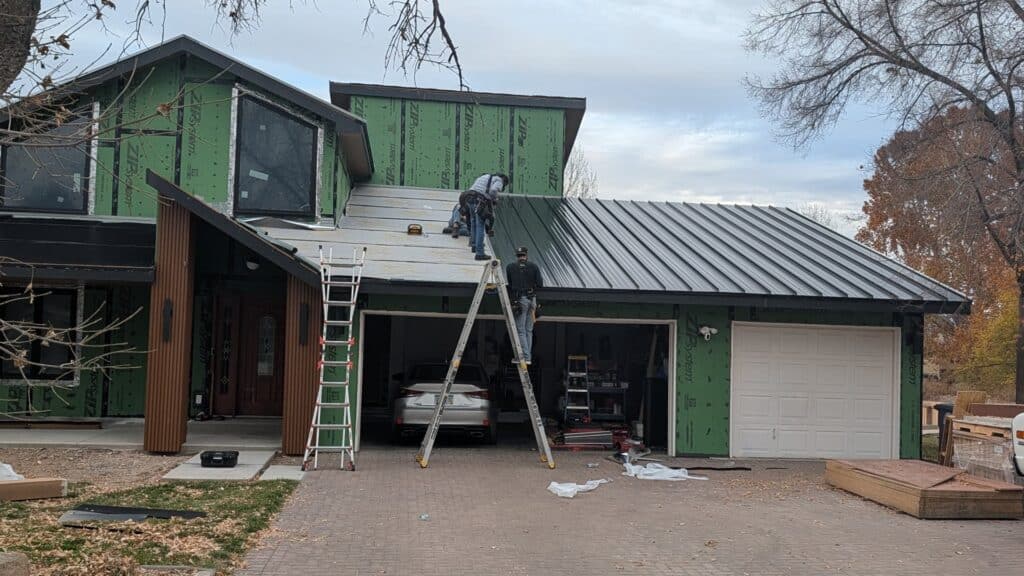
Winter installations are possible but can present additional challenges. Snow and ice must be cleared before work can begin safely, and cold temperatures may affect the handling and performance of certain sealants and underlayment materials. Crews may also have shorter working windows because of limited daylight and changing weather. If your roof is actively leaking or at risk of failure, replacement or repairs may still be necessary during winter. Planning ahead can help reduce the likelihood of facing an urgent project in difficult conditions.
Summer brings its own considerations. High temperatures can make metal panels hot to handle and may affect the application or curing of certain sealants. Afternoon thunderstorms, common during July and August in parts of Western Colorado, can interrupt work schedules. Even so, summer installations are routine when crews account for heat, weather, and manufacturer requirements.
The key is to avoid waiting until an emergency forces your hand. If you notice warning signs in spring, schedule an inspection and discuss an appropriate installation window with your contractor. If you spot problems in late summer or fall, arrange an assessment as soon as possible rather than assuming the work can wait until after winter. Proactive planning gives you more control over scheduling and helps you prepare for potential repairs or replacement before conditions become more challenging.
What to Expect During Replacement
A full metal roof replacement may take several days, depending on the roof’s size, design, accessibility, weather conditions, and the extent of any underlying damage. The process generally begins with removing the existing panels and inspecting the roof deck. Damaged decking is repaired or replaced as needed before the appropriate underlayment and new metal panels are installed according to the roofing system’s specifications.
Expect some noise during the project. Metal roofing installation involves power tools, material handling, and fastening, all of which can create sound that carries through the house. Most homeowners can manage the disruption with some preparation. If you work from home or have young children who nap during the day, consider making arrangements for the noisiest stages of the project.
Your contractor should take appropriate steps to protect landscaping and exterior features during the work. Tarps or other protective materials can help catch debris and protect plants where practical. The site should be cleaned and secured at the end of each workday. A magnetic sweeper can help collect stray fasteners from the yard and driveway.
Communication matters throughout the process. A good contractor will explain the scope of work before starting, keep you informed of progress, and address unexpected issues promptly. If roof deck damage is discovered during removal, for example, you should be notified and given an explanation of the necessary repairs and any associated costs before additional work proceeds.
Before the project begins, ask about the expected timeline, material specifications, weather contingencies, cleanup procedures, and warranty coverage. Understanding these details can help you know what to expect and make the replacement process more manageable.
Making the Decision: Repair or Replace
Not every roof problem requires full replacement. Isolated damage from a fallen branch, a few failed fasteners, or minor surface rust can often be repaired cost-effectively. The question is whether repairs will extend the roof’s useful life or simply postpone a replacement that is likely to be needed soon.
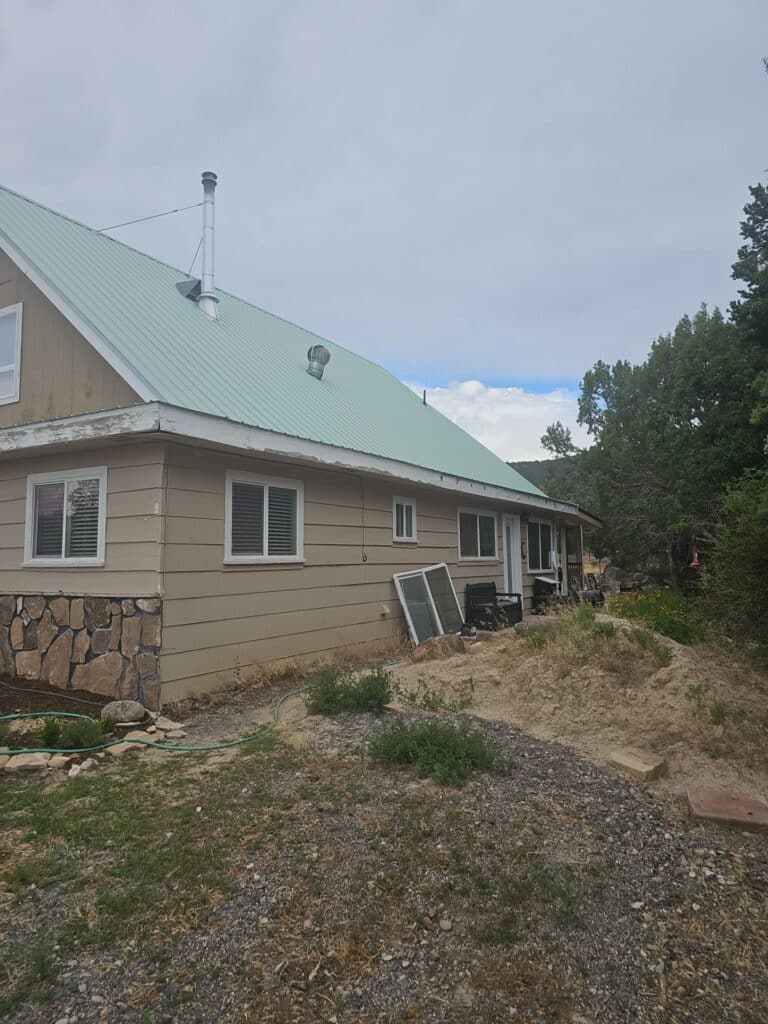
Consider the extent of the damage. If problems are confined to one section of the roof and the remaining panels are in good condition, targeted repairs may make sense. If new issues keep appearing or damage has spread across multiple areas, replacement may be the more practical long-term choice.
Factor in the age and condition of your current roof. Spending significant money on repairs for a roof that is already near the end of its expected lifespan may not be the best investment. Those repair dollars could instead contribute toward a new roof designed to protect your property for decades, depending on the materials and installation.
Think about your plans for the property as well. If you intend to sell within the next few years, a well-maintained roof or a recent replacement may help reassure prospective buyers. If you plan to stay long-term, investing in suitable materials and professional installation can provide lasting protection and peace of mind.
The best approach is to get a professional assessment. An experienced roofing contractor can evaluate the roof’s condition, identify areas of concern, and recommend whether repair or replacement is the more appropriate option. The inspection should cover not just the visible panels but also the underlayment, flashing, fasteners, and roof deck where accessible.
If you have noticed any of the warning signs discussed here, now is a good time to act. Addressing roofing issues before they become emergencies can help limit damage and give you more control over scheduling. Ready for an honest look at your roof? Contact Western Slope Metals for an inspection and estimate: call (970) 975-0612, send us a message through our contact page, or request our free color catalog.
Shop visits are by appointment only at 1454 Hwy 50 in Delta, and we serve homeowners and builders across Western Colorado.
About Western Slope Metals
The Western Slope Metals Team provides metal roofing, siding, and custom metal fabrication solutions throughout Western Colorado. Based in Delta, Colorado, the team brings local experience and a focus on quality materials, custom fabrication, and solutions designed for the region’s climate and building needs.